logo blue

 8. Marketing

To the Table of Contents

5 of 5 (1 Vote)


Intro Chapter 8: Marketing

Intro Chapter 8: Marketing

Marketing is all about selling a product. For Museums, the "product" is a visit to the Museum or to an exhibition.

When you know who your target audience is: how do you reach them? How do you tell them about your Museum or exhibition? How do you convince them to come and visit? Not once, but many times. And to bring their friends? 

Market research is a first step. Where can you find your target group? Who are your competitors? What do they do that you can copy? Or do better?

Visitor research is a second step. How did the people who visit your Museum find you? What did they like, or not like?  Read chapter 7 for more information about market and visitor research.

In this chapter, we summarise the basics of Marketing: what channels do Museums use, what do they do to make their messages hit their target.  

8.1 Marketing a Museum?

8.1 Marketing a Museum?

Marketing is about promoting and selling a product or service. For Museums, the "product" is a visit to the Museum or to an exhibition.  Today, marketing - and number of visitors - is as important for Museums, as it is for commercial businesses. Museums need visitors, even if it is only to show their governments and sponsors that their money is well used.

"Especially in Eastern Europe, many museum managers are still reluctant to associate their institution with concepts originating from the business world, such as investments, marketing, promotion or public relations. They fear that by adopting a business-like approach in managing their institution, the museums will no longer be considered as spaces of learning and culture, but commercial enterprises, interested not in preserving the heritage but in exploiting it only for financial reasons. The present paper argues why such an attitude is completely wrong and presents the benefits a museum could have by adopting a marketing approach."

from: Marketing as a key element in achieving museum’s mission , 2008

Like commercial businesses, Museums do market research to find out who their potential visitors are, how they can reach them, and what message they should send them. What do you tell potential visitors about your Museum or exhibition,  how can you convince them to come and visit?

Museums also  do market research to find out about the competition, especially at the planning stage. You do not want to start a Museum or set up an exhibition, if there is very strong competition nearby.  On the other hand, successful Museums can be good examples: what do they do that you can copy? 

Tools that most Museums use to promote their Museum:

  • A brand strategy.
  • A Museum website.
  • Social Media.
  • Email newsletters.
  • Direct mail.
  • Print advertising.
  • Articles in magazines, journals, newspapers.
  • Special tours, workshops, events, exhibitions.
  • Pop-up exhibitions and workshops at conferences, festivals.
  • Special benefits for Friends of the Museum: discounts, special tours, special events.
  • Promo gifts: bags, buttons, clothing, key-chains with the name and the logo of the Museum. 

In our Survey of Deaf Museums, we asked what tools Deaf Museums use to advertise their Museum. Most have a website and use social media, some do more - see below. 


 Further Reading:

8.2. A Brand Strategy

8.2. A Brand Strategy

A brand identity is the visual profile of a product or service. It includes the name, the logo, the house style (font and colours). Apple is a brand, and so is MacDonald's. You see their logo or an advertisement and you immediately recognize the product.image 2022 10 26 093213353
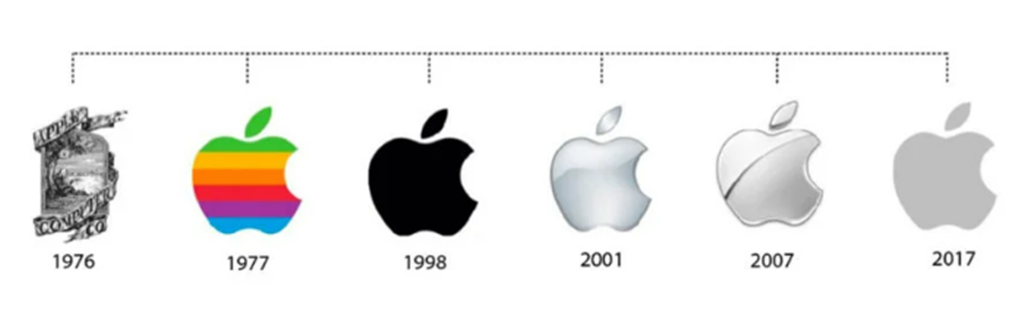
Source:  From Fruit to Fame: The Evolution of the Apple Logo​


Mainstream Museums use a brand strategy to be easily recognized as well. They use their logo on the building, on the website, on posters, catalogues, other  printed materials and on items sold in the Museum shop. 

"Before you start working with a designer to develop the brand identity for your museum you might want to consider whether certain fonts, colours and images are more appropriate than others.

If you are redesigning your museum's brand identity does it make sense to keep a recognisable colour palette? Could some element of the museum logo be kept or evolved?

Also, make yourself aware of competitors in your marketplace. Are there colours and other elements to avoid so that your museum's brand identity stands out?"

Source: How to Create a great Museum Brand Identity?
logo british museum    Amsterdam museum

"The British Museum’s visual language is a system designed to visually represent the Museum. It reflects and reinforces the Museum’s values and core purpose. In line with the Museum’s positioning in the wider world, it is strong and confident, visually demonstrating that the Museum is a single organisation with a shared outlook and goals.
Key elements of the design are:
• a single Museum logo, undiluted by ‘sub-brands’
• typefaces (fonts), Baskerville and Akzidenz Grotesk
• the choice of objects from the collection to represent the brief
• a strong and consistent design style"

Source: Design guidelines, The British Museum


 Further Reading:

8.3. Museum Websites

8.3. Museum Websites

  A good Museum website has to meet (at least) the following objectives:

  1. The target audience must be able to find it. For this, you need SEO: Search Engine Optimization. Under Further Reading, you will find links to guidelines for this. 
  2. The first impression must be good: your target audience must be willing to explore the website to see what it has to offer.
  3. The content must be visually interesting, but the text should be attractive too: the correct tone and writing style, with content (information) that is to-the-point.. 
  4. Navigation must be easy, visitors should find exactly, and quickly! what they are looking for.
  5. The information on the website must be up-to-date; new information should be added regularly, so that visitors will keep coming back.
  6. Visitors must be able to see the information with all browsers, and on all devices including Tablets and Mobile phones.
  7. Again, last but not least, the website must be accessible for people with disabilities. 
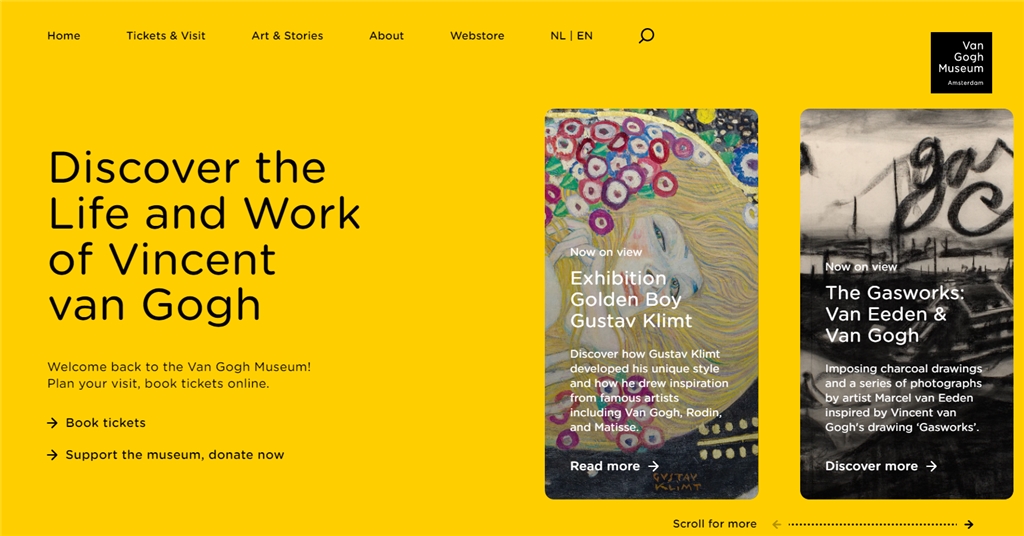
Van Gogh Museum

Homepage of the Van Gogh Museum, Amsterdam, October 2022
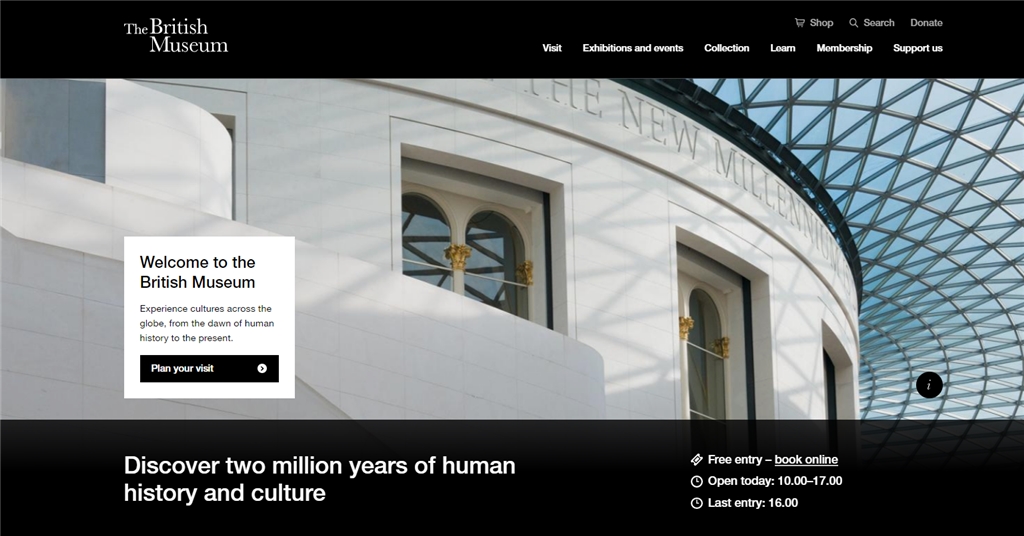
British Museum

Homepage of the British Museum, London, October 2022


Further Reading:

8.5. A Museum Shop, Museum Café

8.5. A Museum Shop, Museum Café

Many Museums use a Museum shop and a café as important marketing tools: People may even come to the Museum shop or the café as their main reason to visit the Museum.

“Nowadays, whether it’s a long lunch discussing art or a quick pitstop for sustenance, the café is an integral part of the museum experience as a whole”

Source: https://elephant.art/ode-museum-cafe-spaces-essential-museum-experience/

A Museum shop and web-shop may not generate much income, but it can sell merchandise that advertises the Museum. Bags and T-shirts with the Museum logo, key-chains, books, calendars, postcards. At the Van Gogh Museum in Amsterdam, you can buy Van Gogh candles, cushions, vases, wallpaper, and more. 
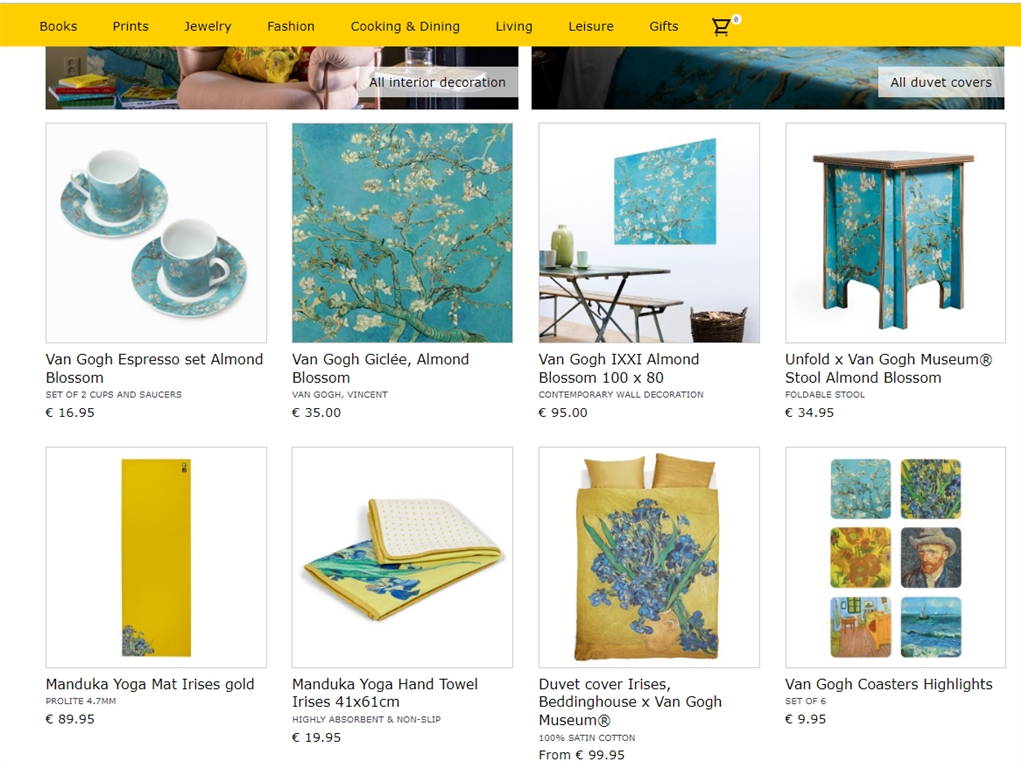
Van Gogh shop

source: https://www.vangoghmuseumshop.comenseevangoghathome

Museums prefer to locate their shop near the entrance or the exit of the Museum, or both. Often you can only exit the Museum by going through the shop. 


Further Reading:

8.4. Social Media

8.4. Social Media

Most mainstream Museums use Social Media (Facebook, Instagram, LinkedIn, YouTube, Pinterest) to market their Museum. Setting up an account on these platforms is easy. Getting people to find your page, to read, like and share your posts and to follow you, takes more work. MuseumNext gives the following tips:

    • Be authentic: develop a “voice” that is authentic and immediately recognisable as belonging to YOU.
    • Involve your entire Museum, not just the marketing department.
    • Involve the community - ask them to contribute to your posts, share posts from other communities and ask them to share your posts.
    • Use eye-catching visuals.
    • Use buzzwords - words that are trending in your field - and hashtag them (add #). These words can help your press releases and posts to stand out and get noticed by others. 

Other tricks that help Museums to get noticed on Social Media:

    • They use influencers: they ask people who have many followers on Instagram or Facebook to visit their Museum and to post photos of the Museum, event or exhibition on Instagram and Facebook , to share your posts.
    • They use 'Instagrammable' exhibits and displays.
    • They post podcasts and videos about exhibitions and events. 
    • They use International Museum Day and other relevant international and national days, birthdays, holidays to organise special events and to post about these. They start days or weeks in advance, and post regular updates to keep people interested. International Museum Day is an international day held annually on or around 18 May, coordinated by the International Council of Museums (ICOM).   
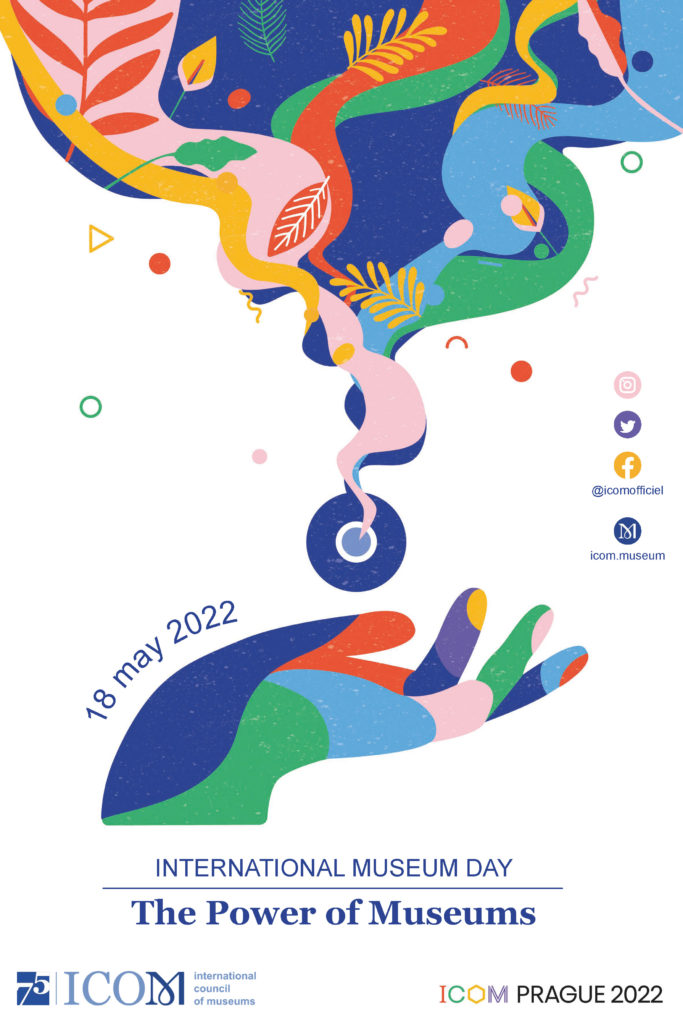
 

IMD 2022 POSTER FINAL EN 683x1024

Source: https://imd.icom.museum/international-museum-day-2022/the-poster/


Further Reading:

backtotop


Print

Quotes:

  • "This (Deaf) Museum is not intended as a casual show, to be seen once and forgotten. Its pretensions are nobler; it has a humanitarian aim. By its solid and tangible evidences, making history memorable and attractive by illustration, it serves a double purpose: to dispel ignorance and prejudice regarding the deaf, and to raise the victims of this prejudice and ignorance to their true level in society."
    The British Deaf Monthly, Vol. VI (p.265) 1897. In: Deaf Museums and Archival Centres, 2006
  • "It was only during the past decade that recognition of the importance of preserving Deaf history has emerged. In the main, Deaf heritage, culture and folklore has been passed down from generation to generation via the medium of sign language and fingerspelling. (..) It is also vital that the history of Deaf people is made available to future generations, especially Deaf schoolchildren as part of their history lessons."
    A. Murray Holmes,  in: Cruel Legacy, an introduction of Deaf people in history, by A.F. Dimmock, 1993
  • “Stories of disability are largely absent from museum displays. Where they appear, they often reflect deeply entrenched, negative attitudes towards physical and mental difference. Research reveals that museums don’t simply reflect attitudes; they are active in shaping conversations about difference.
    Projects created with disabled people show that museums hold enormous potential to shape more progressive, accurate and respectful ways of understanding human diversity. Why wouldn’t we take up this opportunity? ”
    Richard Sandell, co-director, Research Centre for Museums and Galleries, University of Leicester
  • "After all, we are all of us explorers, and we all have much to bring to each other from our own
    journeyings."
    Ladd, P. (2003). Understanding Deaf Culture: In Search of Deafhood.
  • "The most significant function of museums is as centres for cultural democracy, where children and adults learn through practical experience that we all have cultural rights. Having the opportunity to create, and to give to others, may be one of our greatest sources of fulfilment. Culture is everywhere and is created by everyone."
    Source: A manifesto for museum learning and engagement
  • "Inclusion is moving from “we tolerate your presence” to “we WANT you here with us”.
    Jillian Enright in The Social Model of Disability, 2021
  • "The UN Declaration of Human Rights states that “Everyone has the right freely to participate in the cultural life of the community”. This is based on the principle that citizens are not just consumers of cultural capital created by others; we have agency and the right to contribute through culture to the wider good of society."
    Source: A manifesto for museum learning and engagement
  • "And yet, even within a large and, in many ways, traditional organization such as this (Trøndelag Folk Museum, Norway), the museum's encounter with Deaf culture contributed to profound changes and a process, still underway, which challenges our own understanding of what a museum is today, our role in society and our obligations towards more diverse audiences than those we had previously engaged or even recognized."
    Hanna Mellemsether, in:  Re-presenting Disability: Activism and Agency in the Museum, 2013
  • "The Deaf community is international. What binds Deaf people, despite their different national sign languages, is their shared visual communication, history, cultural activities, and the need for a Deaf “space” where people come together."

    from: The Cultural Model of Deafness
  • the past can hurt

    From: Walt Disney, The Lion King

  • "As recently as the 1970s, deaf history did not exist. There were available sketches of various hearing men, primarily teachers, who were credited with bringing knowledge and enlightenment to generations of deaf children, but deaf adults were absent."

    In: Preface to: "Deaf History Unvailed, Interpretations from the New Scholarship". John Vickrey van Cleve, editor
    Publisher: Gallaudet University Press, 1993
  • "Histories have for too long emphasized the controversies over communication methods and the accomplishments of hearing people in the education of deaf students, with inadequate attention paid to those deaf individuals who created communication bridges and distinguished themselves as change agents in their respective field of endeavour."
    from: Harry G. Lang, Bonny Meath-Lang: Deaf Persons in the Arts and Sciences, 1995
  • "Deaf people have always had a sense of their history as it was being passed down in stories told by generations of students walking in the hallways of their residential schools and by others who congregated in their clubs, ran associations, attended religious services, and played in sporting events.
    With these activities, the deaf community exhibited hallmarks of agency — an effort to maintain their social, cultural, and political autonomy amid intense pressure to conform as hearing, speaking people."
    BRIAN H. GREENWALD AND JOSEPH J. MURRAY, in: Sign Language Studies, Volume 17, Number 1, Fall 2016
  • "Nina Simon has described true inclusion in a museum context as occurring when museums value the diversity in their audience, value those individuals’ potential and contributions, when they actively link those diverse people across differences, and when the organisation reaches out with generosity and curiosity at the core.
    On a practical level this sort of museum practice would see widespread inclusion of people with disabilities in the planning of museum exhibitions, on museum boards and steering committees, and working in curatorial roles."
    In: Corinne Ball: Expressing Ourselves, 2020
  • "Museums can increase our sense of wellbeing, help us feel proud of where we have come from, and inspire, challenge and stimulate us."
    Source: Museums Change Lives
  • "An important matter for any minority group is that written documents in public archives are often drawn up by the majority group and do not always reflect a minority as it sees itself. Thus, preserving sign language narration is of the utmost importance and a challenge to those working in the field of Deaf history."
    In: TIINA NAUKKARINEN, Finnish Museum of the Deaf: Presenting the Life of Carl Oscar Malm (1826–1863)
  • "Access to and participation in culture is a basic human right. Everyone has a right to representation and agency in museums, and communities should have the power to decide how they engage."
    Source: A manifesto for museum learning and engagement
  • "Beyond works of art and objects, museums collect shared heritage, memories and living cultures as well as what we call intangible collectables."
    Source: We are Museums
  • “If you do not know where you come from, then you don't know where you are, and if you don't know where you are, then you don't know where you're going. And if you don't know where you're going, you're probably going wrong.”
    Terry Pratchett, I Shall Wear Midnight
  • "For many members of the Deaf community their shared history is both personal and social. Deaf people will have gone to the same school, in many cases boarding schools where most of their younger lives will have been spent together, and then met again at their Deaf clubs, Deaf social events, reunions and other more personal events.
    One of the first things a Deaf person will often ask on meeting, before asking your name, is what school or Deaf club you go to. Making this connection is an important part of any greeting, as it will then help an individual to understand what shared history or people in common you may have."
    from: The Cultural Model of Deafness
  • "Until the fall semester of 1986, the history department at Gallaudet University had never before offered a course in the history of deaf people.
    In the 122 years, to that point, since the founding of the university, which was specifically intended for the education of deaf peoples, no one had ever taught a course about this very group of people.
    In all of those years the history department had offered courses on a wide range of topics but never deaf history. "
    ENNIS, WILLIAM T., et al. “A Conversation: Looking Back on 25 Years of A Place of Their Own.” Sign Language Studies, vol. 17, no. 1, 2016, pp. 26–41. 
  • "The Finnish Museum of the Deaf) was founded by deaf people, and, thus, its task has been to strengthen their identity and historical communality.

    Most of our materials have a connection to the key experiences that generations of deaf people have shared. These are important in understanding the past and keeping the collective memory alive."
    In: TIINA NAUKKARINEN, Finnish Museum of the Deaf: Presenting the Life of Carl Oscar Malm (1826–1863)
  • "What has become clear is that museums don’t just function as custodians of the past anymore; instead, they have embraced their responsibility towards the communities of the present: a responsibility to represent them, to speak to them, and to be open to dialogue with them."
    Tim Deakin, August 2021
  • “One story makes you weak. But as soon as we have one-hundred stories, you will be strong.”
    Chris Cleave in "Little Bee", 2008
  • "Deaf mute, deaf and dumb, hearing impaired – the choices are many and not without consequences. Words have many meanings, they convey attitudes and prejudices and may hurt, even when used in a well-intended context."
    Hanna Mellemsether, in:  Re-presenting Disability: Activism and Agency in the Museum, 2013
  • "Museums can increase our sense of wellbeing, help us feel proud of where we have come from, and inspire, challenge and stimulate us."
    Source: https://www.museumsassociation.org/campaigns/museums-change-lives/
  • "Opening ourselves to the Deaf community, listening to and respecting them as co-creators and experts telling the stories they want told, makes our practice richer, and has ongoing positive effects for the community.
    These embryonic relationships hopefully encourage Deaf people to feel welcome in our space — it’s their space too.
    For both side, communities and museum professionals, while genuinely, openly and truly committing to working together can be time-consuming, it repays any investment many-fold."
    Corinne Ball: Expressing ourselves’: creating a Deaf exhibition", 2020